Analysis of Water Tank Leakage Causes and Repair Technology: Professional Solutions for Common Problems
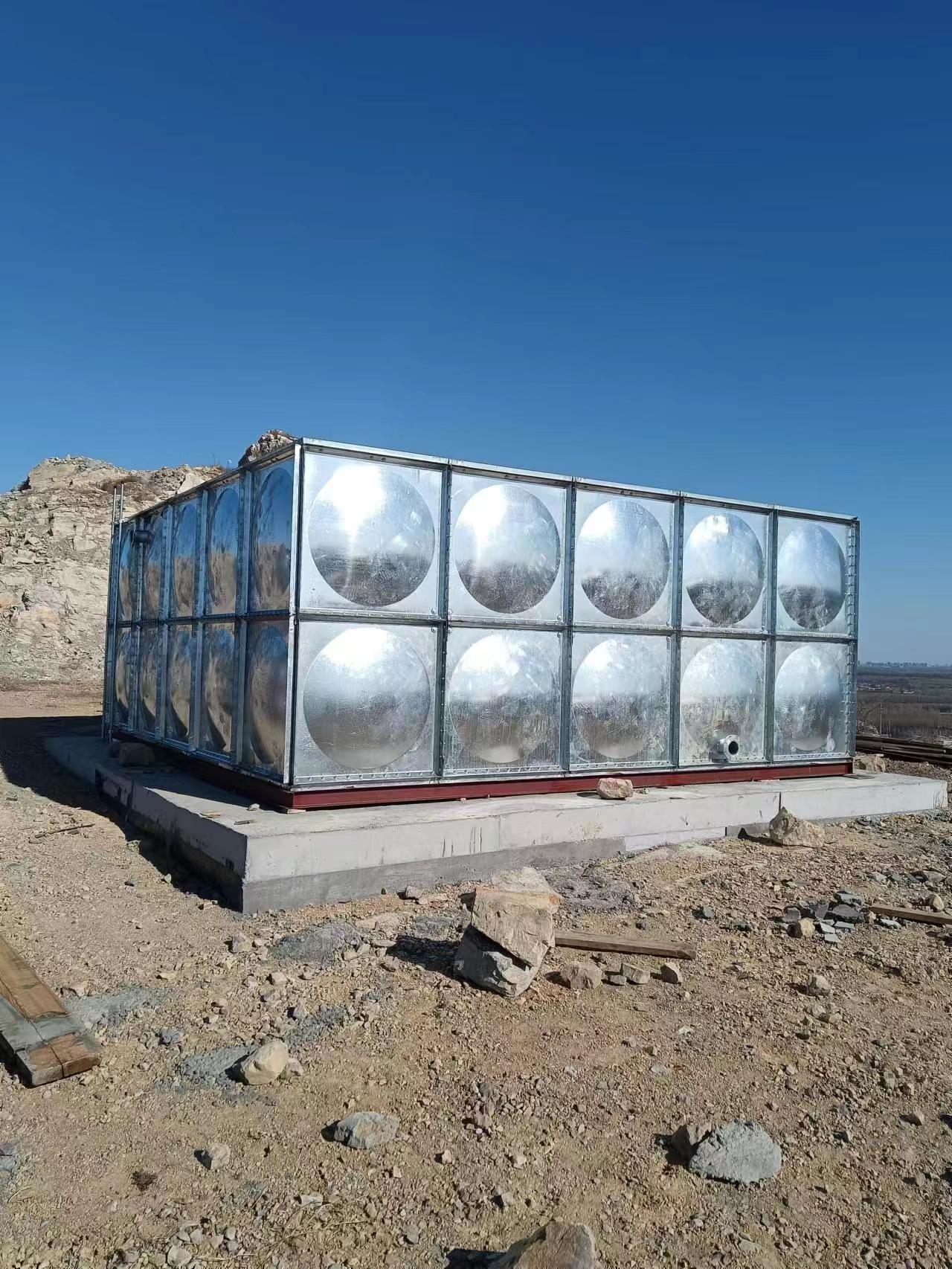
Water tank leakage is one of the most common problems in water storage equipment use, ranging from water waste to affecting building structural safety. Timely identification of leakage causes and correct repair measures are key to extending water tank service life. This article systematically analyzes the main causes of water tank leakage and corresponding repair methods.
Main Causes of Leakage
Cause 1: Aging and failure of sealing gaskets
Connection between water tank panels relies on sealing gaskets. Rubber gaskets gradually age under long-term water immersion, temperature changes, and UV exposure, reducing elasticity and sealing performance. Gaskets typically need replacement every 10-15 years.
Cause 2: Loose connecting bolts
During water tank use, connecting bolts may gradually loosen due to thermal expansion and contraction, water flow impact, and vibration, causing gaps in sealing surfaces and leakage.
Cause 3: Panel damage or cracks
Long-term use, accidental impact, or uneven foundation settlement may cause water tank panel cracks or damage, the most serious leakage cause, often requiring panel replacement.
Cause 4: Pipe connection leakage
Connection areas between inlet/outlet pipes and water tanks are prone to leakage due to pipe vibration, thermal expansion, or installation quality issues.
Leakage Inspection Methods
When water tank leakage is suspected, these inspection methods can be used: visual inspection - empty tank and enter interior to check for cracks, rust, and obvious defects; full water test - fill tank completely, stand for 24 hours, observe water level changes and whether exterior walls have water marks; pressure test - seal inlet/outlet pipes then pressurize tank to 0.03MPa, observe whether air pressure is stable.
Common Repair Methods
Sealing gasket replacement: Drain tank, remove connecting bolts at leaking areas, replace with new water-resistant sealing gaskets (EPDM rubber recommended), reassemble and conduct sealing test.
Bolt tightening: Regularly (annually) inspect and tighten all connecting bolts to manufacturer-specified torque.
Panel repair: For SMC FRP tanks, fine cracks can be filled with epoxy repair compound; for stainless steel tanks, TIG welding repair followed by grinding and polishing; for enamel tanks, damaged glaze areas can be repaired with food-grade epoxy coating.
Professional repair recommendation: Water tank repair work should be entrusted to qualified professional companies to ensure repair quality and hygiene safety.
Beijing Yuanhui FRP provides specialized water tank leakage repair services with professional maintenance teams capable of quick response. Welcome to contact us.