Underground Buried Water Tank Construction Key Points: Safety and Quality Control of Deep Foundation Pit Installation
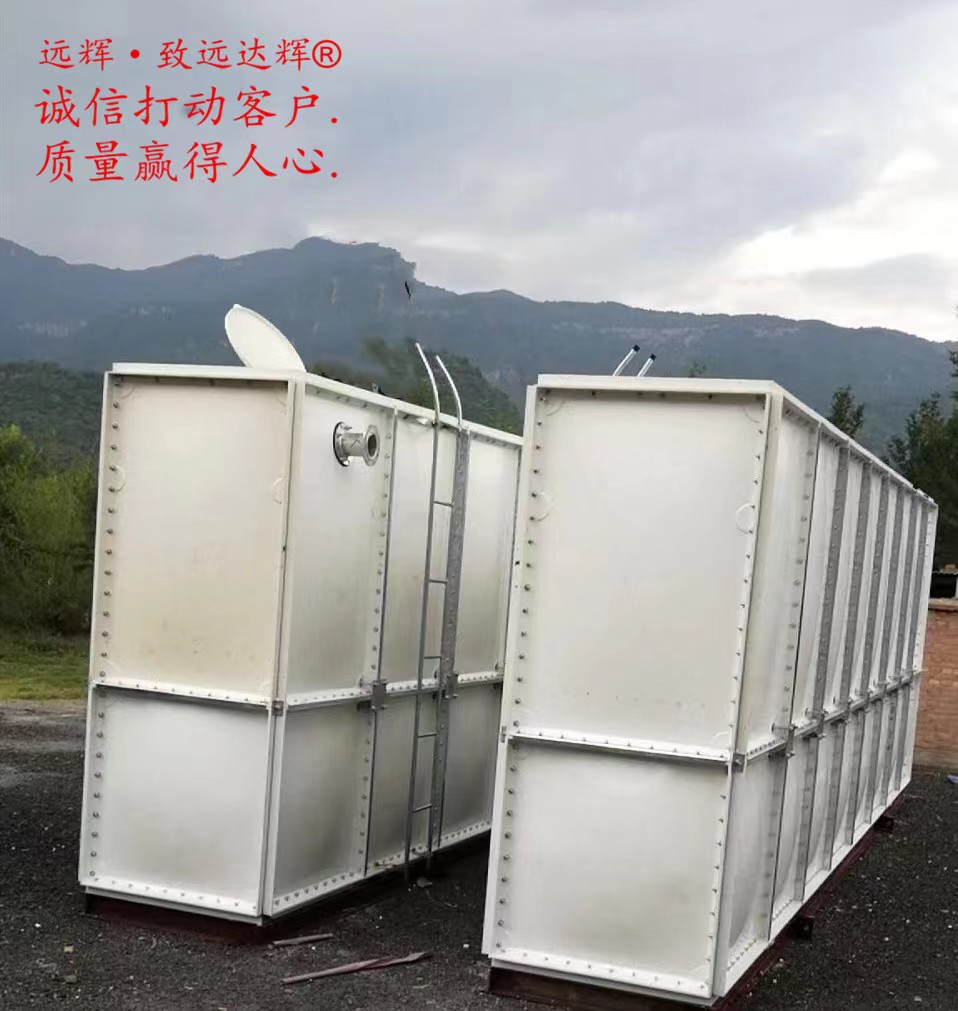
Underground buried water tanks are widely adopted in urban development for their advantages of not occupying surface space and aesthetic concealment. However, buried tank construction is more difficult, involving multiple technical aspects including deep foundation pit excavation, tank lifting and positioning, waterproofing, and anti-floating, where any oversight can lead to serious consequences. This article focuses on key technical points in underground buried water tank construction.
Pre-Construction Preparation
Before underground buried water tank construction, the following preparations are needed: geological survey to understand groundwater level and soil conditions; identify underground pipeline distribution to prevent construction damage; develop special construction plan and implement after approval; prepare lifting equipment (cranes, forklifts, etc.); equip safety protection facilities (safety barriers, lighting, ventilation equipment).
Foundation Pit Excavation Requirements
Foundation pit dimensions should reserve at least 500mm working space on each side beyond tank dimensions. Foundation pit depth should consider: tank bottom at least 300mm below frost line (northern regions); reserved concrete floor thickness (typically 200-300mm); foundation pit support should use appropriate forms based on soil type and depth.
Waterproofing and Anti-Floating Treatment
This is the core technical difficulty of underground tank construction:
Waterproofing: Foundation pit bottom and surroundings must be waterproofed, typically using two-layer geotextile and one-layer membrane waterproof material or polymer cement mortar waterproof layer to prevent groundwater seeping into tanks.
Anti-floating: When groundwater level is high, buoyancy on empty tanks may exceed self-weight, causing tanks to float up. Solutions include: anchoring tank floor to concrete base plate; increasing structural self-weight; installing drainage and pressure relief systems around tanks.
Lifting and Positioning
Large buried tanks usually require split transportation and on-site assembly; construction should note: lifting equipment capacity must meet the heaviest component requirements; lifting points should be evenly distributed to prevent tank deformation; after positioning, check levelness with deviation not exceeding L/1000 (L is tank length).
Backfilling and Compaction
Backfilling after tank positioning is equally important: backfill soil should be compacted layer by layer with each layer not exceeding 300mm; backfill materials should be sand-gravel mixture or graded gravel, not silt or humus; symmetrical backfilling on both sides of tank to prevent uneven lateral pressure causing deformation.
Beijing Yuanhui FRP has professional underground tank installation construction teams with rich deep foundation pit construction experience, providing full technical support and construction services for customers.