Water Tank Equipment Selection and Application Practices in Rural Drinking Water Safety Projects
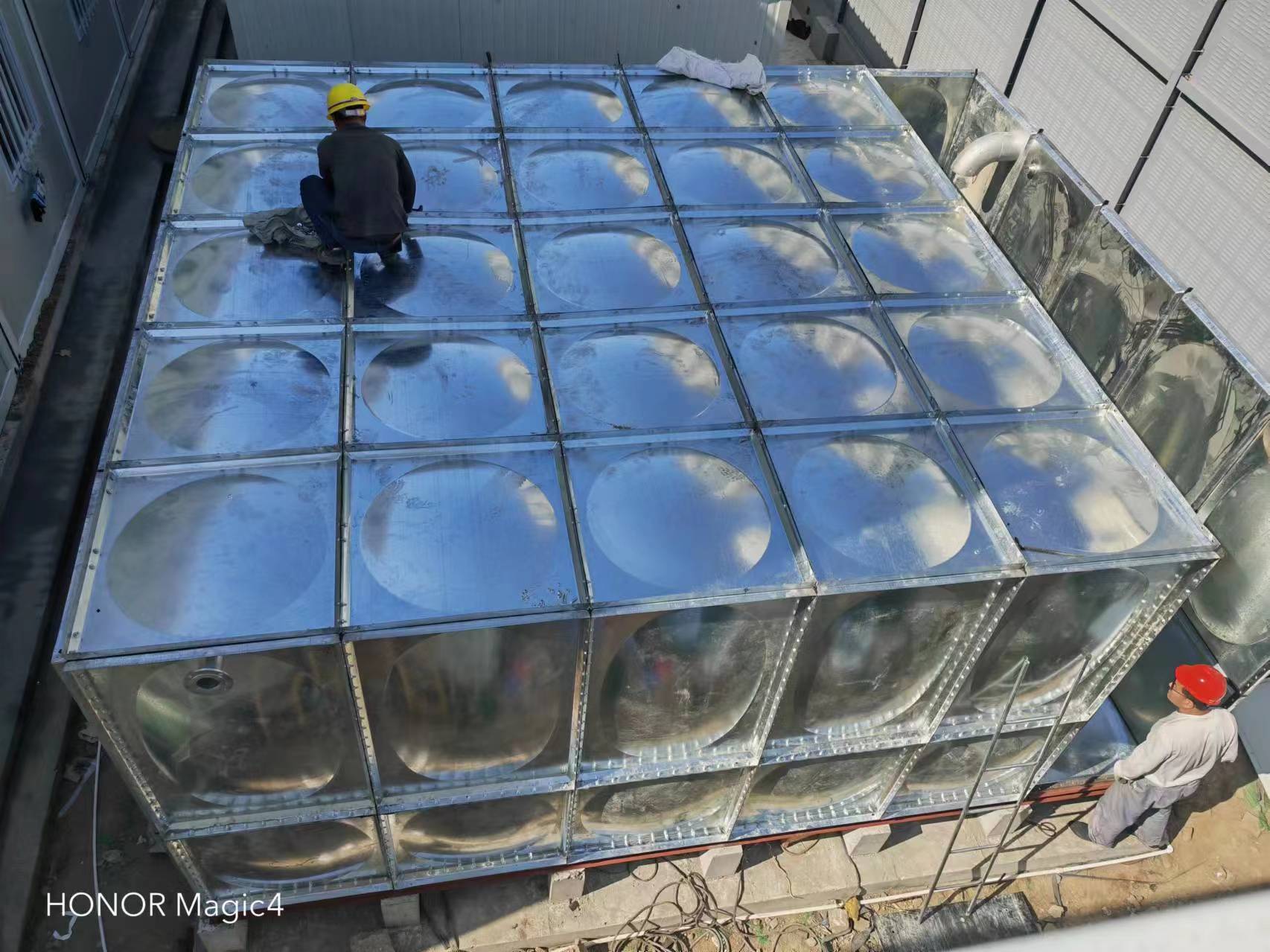
Rural drinking water safety projects are important national livelihood projects, related to the basic living needs of hundreds of millions of rural residents. Water tanks as an important component of rural centralized water supply projects, their selection directly affects the safety, reliability, and service life of water supply systems. This article summarizes key points and practical experience for water tank equipment selection in rural drinking water safety projects.
Special Requirements of Rural Water Supply Projects
Compared to urban water supply systems, rural drinking water safety projects have these special characteristics: geographically dispersed with limited technical expertise of operation and maintenance personnel; unstable power supply with frequent outages; diverse climate conditions from humid south to frigid north; limited funding requiring high cost-performance products; users are mostly elderly and children with high water quality requirements.
Water Tank Type Selection
Based on actual conditions in rural areas, the following selection plans are recommended:
Plain areas: Recommend SMC FRP water tanks. Lightweight, corrosion-resistant, easy to install without professional welding skills, suitable for non-technical daily maintenance.
Humid southern regions: Recommend SUS304 stainless steel or SMC FRP tanks. Both have excellent corrosion resistance to handle the high humidity environment of southern China.
Cold northern regions: Must select FRP water tanks with insulation layers and electric heat tracing systems. Polyurethane insulation layer thickness not less than 80mm recommended, with solar power interfaces reserved.
Mountainous terrain: High-level water tanks can fully utilize terrain elevation differences for gravity flow water supply, medium volume recommended (5-30m³), with automatic liquid level control systems.
Installation Precautions
Rural area water tank installation should pay special attention to: foundation must be level and solid to prevent uneven settlement causing tank deformation; inlet/outlet pipes and ventilation pipes should have insect screens; overflow pipes should be directed to drainage channels to avoid water accumulation; northern area pipes should be buried below the frost line or have proper insulation.
Maintenance Management Recommendations
Simple and effective maintenance management is especially important for rural water tanks: establish regular inspection system (monthly exterior inspection, annual interior cleaning); equip with water quality testing tools; train village-level water administrators in basic maintenance skills; establish records to track water tank operation status.
Beijing Yuanhui FRP has long undertaken rural drinking water safety projects with rich rural water supply engineering experience, providing integrated services including selection, design, installation, and training.