Enamel Water Tank vs FRP Water Tank Comparison: How to Make the Best Choice Based on Project Needs
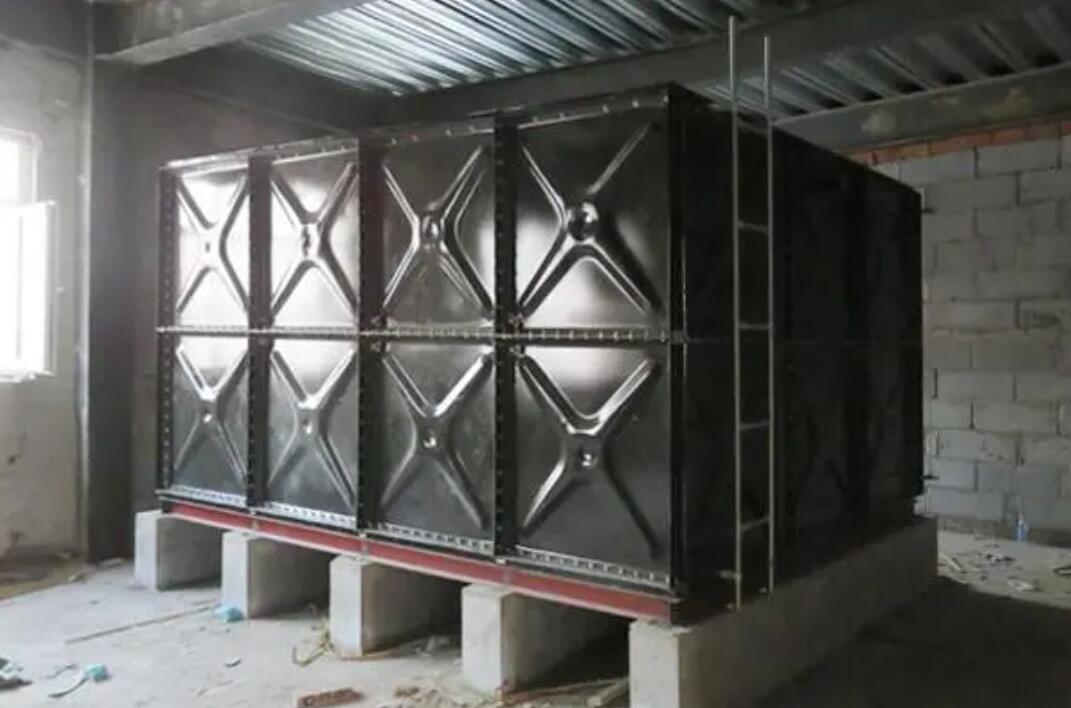
Enamel steel panel water tanks and SMC FRP water tanks are currently the two most popular types of water storage equipment on the market, each with unique advantages and applicable scenarios. This article provides comparative analysis from multiple dimensions to help users make the best choice based on actual needs.
Appearance and Hygiene Performance Comparison
Enamel tanks are known for their white, smooth porcelain enamel surface with excellent visual effects, conveying a clean and hygienic impression. The smooth, hard enamel surface doesn't easily attract dirt and is very easy to clean. SMC FRP tank surfaces are also relatively smooth using food-grade resin, also meeting drinking water hygiene standards, but slightly less smooth and aesthetically pleasing than enamel.
Corrosion Resistance Comparison
Enamel coating is a glassy inorganic material with extremely high chemical stability, resistant to acids, alkalis, and organic solvents, unaffected by chloride ions in water. FRP (unsaturated polyester resin + glass fiber) also has good corrosion resistance but is slightly insufficient in strong acid or high temperature environments. Overall, enamel is superior in corrosion resistance.
Strength and Impact Resistance Comparison
SMC FRP has higher tensile strength and impact toughness, not easily brittle under accidental impacts such as earthquakes. Enamel coating has high hardness but greater brittleness; the glaze surface may peel under strong mechanical impact. For earthquake-prone areas or industrial sites with significant vibration, SMC FRP tanks are more suitable.
Insulation Performance Comparison
FRP itself has low thermal conductivity (about 0.35 W/m·K) with some insulating effect; steel panels have high thermal conductivity (about 50 W/m·K), and enamel tanks without insulation layers have poor insulation performance. In cold northern regions requiring antifreeze insulation, both need additional insulation layers at similar cost.
Service Life and Maintenance Cost Comparison
Enamel tank designed service life can exceed 50 years with simple daily maintenance; FRP water tank designed service life is about 30 years with regular inspection only. Both have significantly lower maintenance costs compared to traditional steel tanks.
Price Comparison
For equal volume, enamel steel panel tanks are typically 20-30% more expensive than SMC FRP tanks, suitable for projects with higher quality and appearance requirements (such as five-star hotels, hospitals, high-end office buildings); SMC FRP tanks offer better cost-performance ratio, suitable for cost-sensitive projects like ordinary residential buildings and industrial facilities.
Both products have advantages and disadvantages; selection should be based on project budget, usage environment, and quality requirements. Yuanhui Company has complete series of both products and can provide professional selection recommendations.