Fire Water Tank Installation Acceptance Standards and Common Questions
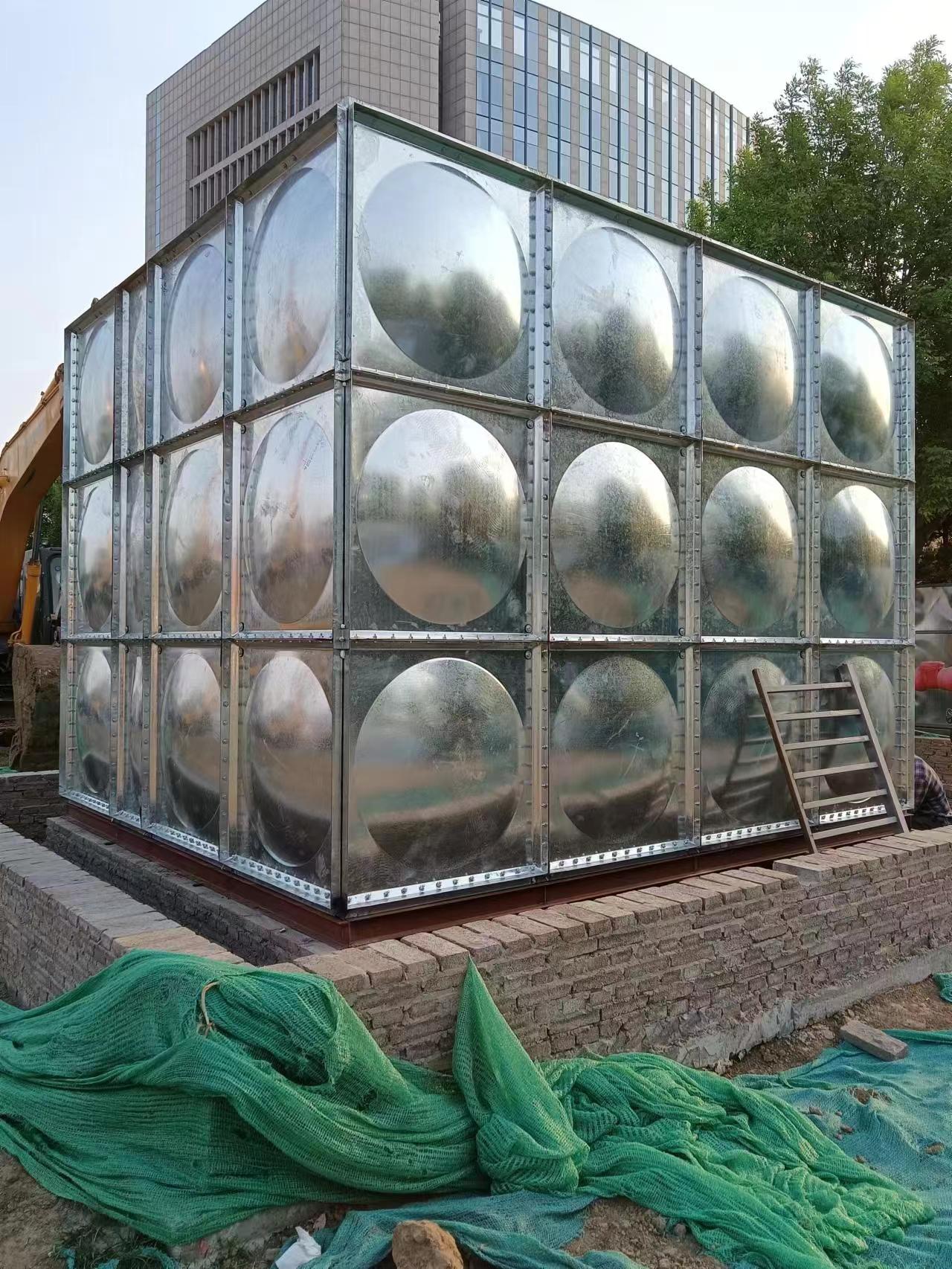
Fire water tanks are an important component of building fire protection systems, and their installation quality directly relates to fire system reliability. This article summarizes relevant standards and requirements for fire water tank installation acceptance and common questions for reference by engineering technicians.
Applicable Standards
Fire water tank installation acceptance is mainly based on: GB 50974-2014 Technical Code for Fire Protection Water Supply and Hydrant Systems, GB 50084 Design Code for Automatic Sprinkler Systems, GB 50016 Code for Fire Protection Design of Buildings.
High-Level Fire Water Tank Installation Requirements
According to GB 50974, high-level fire water tanks must meet: installed at the highest point of the building; effective volume meeting specification requirements (generally 18~100 cubic meters depending on building category); outlet pipe diameter not less than DN100; water level display and liquid level alarm devices installed; antifreeze measures installed (northern regions).
Inlet/Outlet Pipe Configuration Standards
Fire water tank inlet/outlet pipe configuration notes: inlet pipe must not share with fire outlet pipe; outlet pipe should be drawn from the lowest point of the tank; outlet pipe should have maintenance butterfly valves; liquid level control valve and float valve should be on the inlet pipe; overflow pipe diameter not less than inlet pipe diameter.
Common Installation Problems and Solutions
Problem 1: Insufficient tank elevation. High-level tank bottom elevation should be at least 5m above fire hose connections (3m in special cases), otherwise fire water pressure cannot be guaranteed. Solution: recalculate tank elevation, add pressure stabilizing devices if necessary.
Problem 2: Insufficient tank volume. Actual volume smaller than design volume, often due to construction errors. Effective water level volume must be measured during acceptance. Solution: strictly install according to drawings during construction, confirm by measurement after completion.
Problem 3: Unqualified water quality. Newly installed tanks must be thoroughly flushed and disinfected before first use. Recommend soaking with 100mg/L sodium hypochlorite solution for 12 hours then flushing.
Beijing Yuanhui FRP can provide fire water tank installation and fire acceptance technical support services to help customers successfully complete fire project acceptance.