Water Tank Cleaning and Disinfection Operating Procedures: Important Measures to Ensure Drinking Water Safety
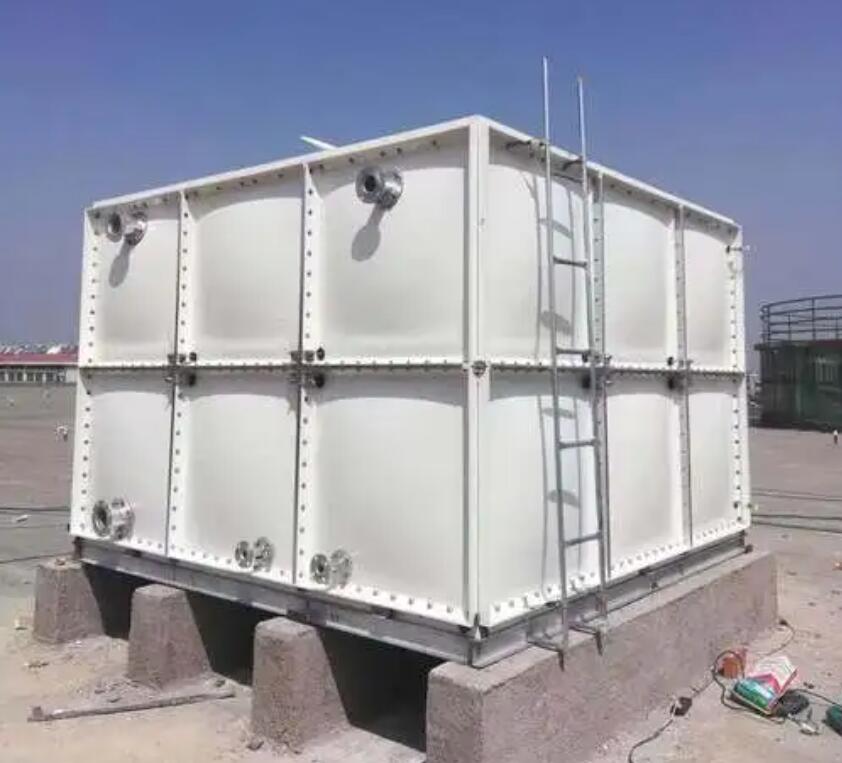
Secondary pollution in water tanks is one of the important issues affecting urban residents' drinking water safety. Regular professional cleaning and disinfection of water tanks is a necessary measure to ensure drinking water safety and comply with hygiene regulatory requirements. This article introduces standardized water tank cleaning and disinfection operating procedures.
Cleaning Frequency Requirements
According to GB 17051 Hygienic Standard for Secondary Water Supply Facilities, domestic drinking water tanks must be cleaned and disinfected at least twice a year, with immediate cleaning required for special circumstances (such as sudden pollution events, after equipment damage repair). Large buildings or densely populated places should clean quarterly.
Preparation Before Cleaning
- Develop construction plan and report to health administration for filing
- Notify water users and arrange temporary water supply plan
- Prepare cleaning equipment: high-pressure water gun, long-handled brushes, sewage pump, disinfectant
- Cleaning personnel undergo health examination with valid health certificate
- All personnel entering the tank must wear uncontaminated work clothes and boots
Cleaning and Disinfection Steps
Step 1: Empty the water tank. Close inlet valve and open drainage pipe to drain the tank.
Step 2: Rinse inner walls. Use high-pressure water gun to comprehensively rinse tank inner walls, bottom, and top cover, focusing on deposits and scale areas.
Step 3: Manual scrubbing. For scale and algae difficult to remove by high-pressure rinsing, manually scrub with brushes dipped in food-grade cleaning agents.
Step 4: Clean rinsing. Rinse again with clean water until discharged water is clear and transparent without odor.
Step 5: Disinfection treatment. Inject disinfecting solution with 50-100mg/L effective chlorine concentration into tank, soak for more than 30 minutes.
Step 6: Rinse disinfectant. Drain disinfectant, rinse clean again with water, collect water samples for testing.
Acceptance Standards
After cleaning and disinfection, water quality testing by qualified testing institutions is required; water supply can only resume after passing. Testing items include turbidity, color, odor and taste, residual chlorine, and coliform bacteria.
Beijing Yuanhui FRP provides professional water tank cleaning and disinfection services with fully qualified construction teams, standardized operations, and reasonable prices. Welcome to contact us.