Interpretation of Building Secondary Water Supply System Design Standards and Tank Selection Key Points
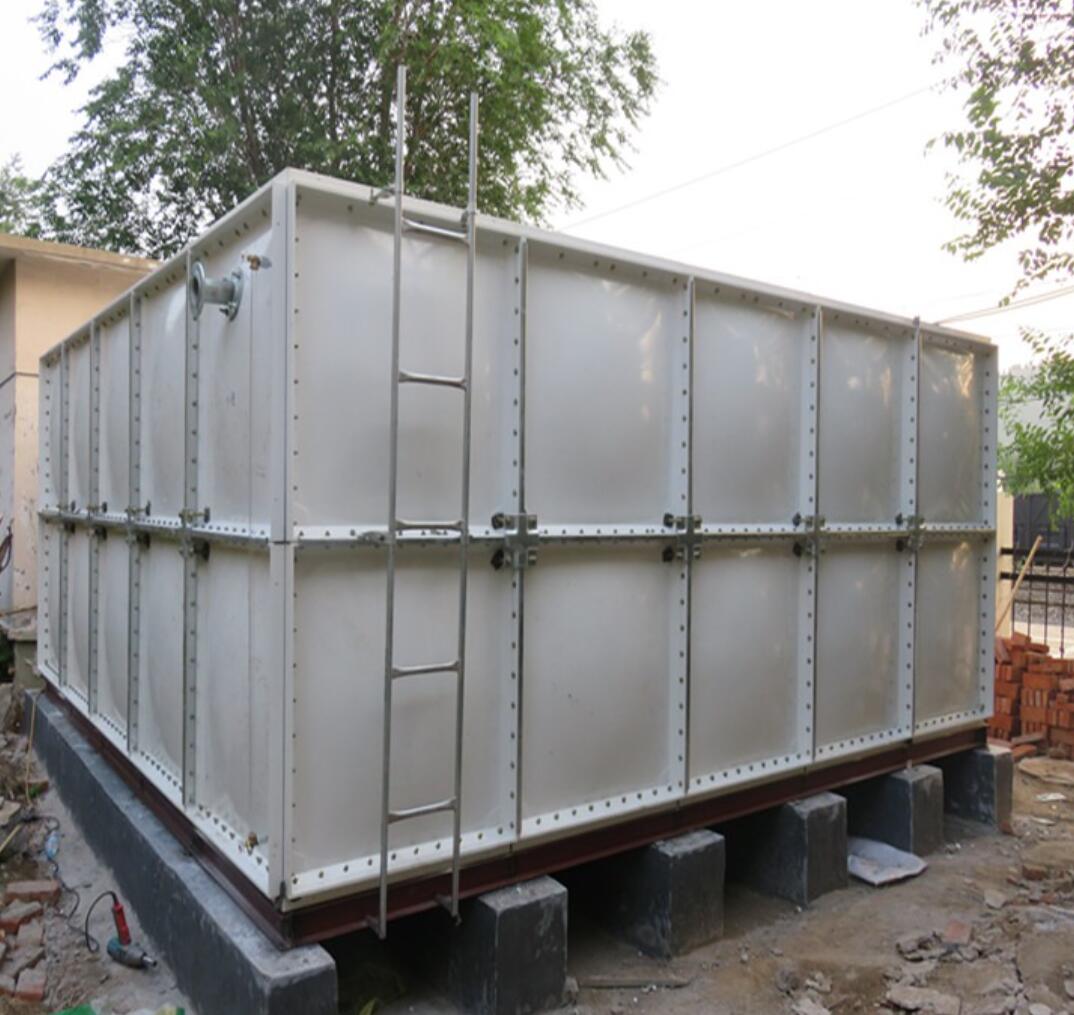
Building secondary water supply refers to systems that pressurize municipal tap water for supply to water use points, which is indispensable infrastructure for high-rise buildings. Reasonable system design and correct water tank selection are key to ensuring water supply safety and stability. This article introduces design key points based on relevant standards.
Relevant Standards and Specifications
Building secondary water supply design and construction must follow these main standards: GB 50015-2019 Building Water Supply and Drainage Design Standards, CJJ 140-2010 Secondary Water Supply Engineering Technical Regulations, GB 5749-2022 Sanitary Standards for Drinking Water.
Effective Volume Calculation for Water Tanks
The effective volume of domestic water tanks should generally not be less than 12 hours of the maximum daily water consumption. Fire water tank effective volume is determined by building fire protection grade: not less than 18 cubic meters for Class 1 high-rise residential buildings, not less than 12 cubic meters for Class 2, and not less than 6 cubic meters for multi-story buildings.
Water Tank Installation Requirements
Rooftop water tanks should be installed in well-ventilated, uncontaminated locations; tank room clear height not less than 2.2m, maintenance aisle width not less than 0.7m; distance from water tank to wall not less than 0.7m, clearance from tank top to floor not less than 0.8m.
Material Selection Recommendations
According to national health department regulations, domestic drinking water tank materials should meet: interior materials are non-toxic and odorless, not affecting water quality; corrosion-resistant, surface not prone to rust stains; easy to clean and disinfect. SMC FRP tanks, enamel steel panel tanks, and SUS304 stainless steel tanks all meet these requirements.
Water Quality Protection Measures
To prevent secondary pollution, water tank design must include: inlet and outlet pipes separated at both ends to avoid stagnant water; overflow pipe (diameter ≥ inlet pipe diameter) and ventilation pipe (no less than inlet pipe diameter); UV disinfection device or disinfection dosing device; automatic cleaning device or regular cleaning drainage.
Beijing Yuanhui FRP's professional technical team can provide water tank selection consultation and system solution design services. Welcome to call for consultation.