An In-Depth Analysis of the Hygienic and Safety Performance of FRP Water Tanks: A Triple Assurance of Materials, Process, and Standards
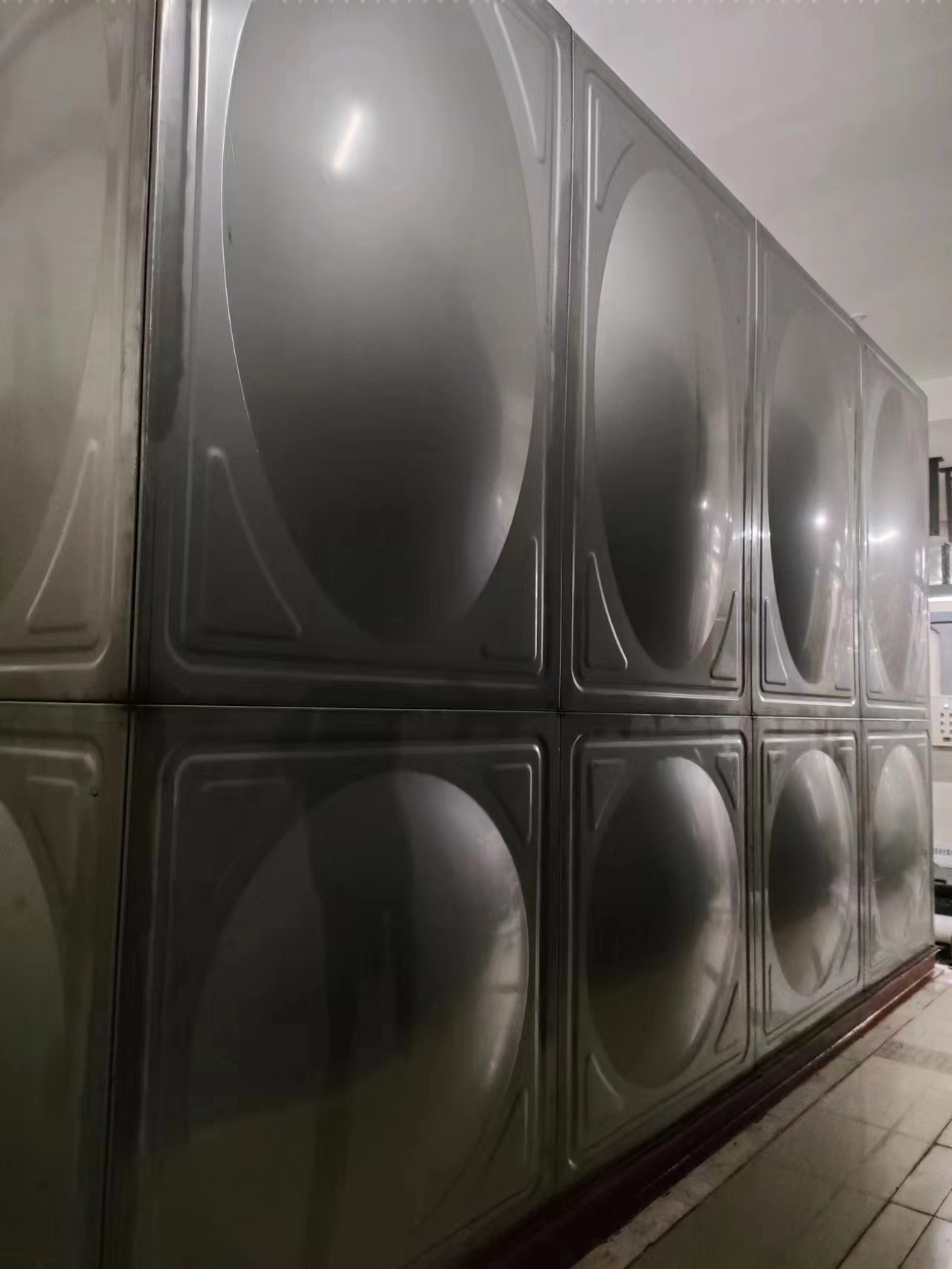
An In-Depth Analysis of the Hygienic and Safety Performance of FRP Water Tanks: A Triple Assurance of Materials, Process, and Standards
The hygienic safety of water storage equipment is directly linked to end-user health and public safety. Fiberglass Reinforced Plastic (FRP) water tanks are widely adopted across various sectors due to their superior corrosion resistance and structural integrity. Their core hygienic and safety performance stems from stringent control throughout the entire process, from raw material selection and manufacturing to final inspection. This article systematically explains how FRP water tanks establish a reliable hygienic safety barrier through material science, engineering design, and standard compliance.
1. The Food-Grade Liner: The First Line of Defense for Water Quality
The inner surface in direct contact with stored water is the primary factor determining water safety. In a high-quality FRP tank, the inner liner is not a standard FRP layer but a specially engineered, resin-rich barrier made from food-grade materials.
1.1 Key Material: Application of Isophthalic Polyester Resin
Beijing Yuanhui FRP Co., Ltd. utilizes isophthalic unsaturated polyester resin for the liner in high-standard tanks. Compared to cheaper orthophthalic resins, isophthalic resin offers significantly better hydrolysis resistance and corrosion resistance. Its stable molecular structure minimizes the risk of leaching soluble substances (like styrene monomer) into the water. Compliance with hygiene evaluation standards for drinking water equipment requires that water quality after immersion tests meets strict limits. Practice shows that liners made with food-grade resins meeting relevant GB/T 8237 standards produce immersion water free of odor and color, with leachate levels well below national limits.
1.2 Process Assurance: High-Density, High-Gloss Surface Finish
A hygienic liner depends not only on material but also on precise manufacturing. Professional filament winding or molding processes, coupled with accurate curing systems, create a dense gel coat with extremely low porosity. This surface is smooth and glossy, with a Barcol hardness typically above 40. The smooth finish significantly reduces opportunities for microbial and algal adhesion, facilitating cleaning and disinfection. Processes like controlled "liner spray-up" employed by Beijing Yuanhui ensure a continuous, uniform, and defect-free barrier layer with precise thickness and resin content, eliminating any risk of fiber exposure and potential contamination.
2. Structural Integrity: Preventing Leakage and External Contamination
The structural seal of a tank is the physical foundation for preventing ingress of external pollutants and maintaining stable water quality. The monolithic construction and unique panel sealing systems of FRP tanks offer distinct advantages here.
2.1 Leak-Proof Monolithic Strength
Computer-controlled filament winding creates a continuous, seamless tank shell. This structure offers far superior anti-seepage performance compared to traditional拼接 tanks. According to industry standards like JC/T 658.1, a tank must show no leakage or permanent deformation after a 24-hour static water test. In practical applications, such as a rooftop tank for a large hospital supplied by Beijing Yuanhui, the FRP tank exhibited zero leakage issues attributable to the tank body over a decade of service, effectively preventing secondary water contamination and structural risks.
2.2 Sealing Systems and Vent Protection
For modular panel tanks, the sealing system is critical. High-quality tanks use food-grade rubber gaskets and bolted connections to ensure reliable seals between panels. Furthermore, a properly designed tank must include sealed manways, vent ports with insect-proof screens. Vents prevent vacuum formation that could draw in contaminants, while fine mesh stainless steel screens block insects and dust. These details collectively create a closed, protected water storage environment.
3. Anti-Microbial Properties and Long-Term Hygiene Maintenance
Beyond passive protection, modern FRP tank technology incorporates proactive hygienic design concepts.
3.1 Inherent Material Characteristics
The FRP surface is inherently less conducive to long-term microbial attachment and growth. Its dense, smooth, non-metallic surface does not corrode like metal, eliminating rust—a common breeding ground for microbes. Moreover, some advanced tank products can incorporate approved, safe antimicrobial additives into the liner resin, providing an additional layer of protection by inhibiting bacterial and algal growth.
3.2 Ease of Cleaning and Disinfection
Regular maintenance is key to ensuring long-term hygienic safety. The smooth, crevice-free interior of FRP tanks facilitates thorough flushing and disinfection. Users should establish a regular cleaning and disinfection schedule, typically recommended at least annually. Cleaning must use approved disinfectants following strict procedures to ensure post-disinfection residuals meet potable water standards. Companies like Beijing Yuanhui often provide detailed maintenance manuals and guidance on establishing correct cleaning protocols, ensuring the tank maintains its hygienic status throughout its service life.
Conclusion: A Systematic Engineering Approach to Water Safety
The hygienic and safety performance of an FRP water tank is not a single feature but a systematic engineering achievement. It integrates food-grade materials, advanced manufacturing, rigorous structural design, complete accessory systems, and scientific maintenance. As demonstrated by professional manufacturers like Beijing Yuanhui FRP Co., Ltd., strict adherence to national and industry standards forms the baseline for product safety. Choosing an FRP tank is essentially selecting a proven, reliable water storage safety solution. For facilities with stringent water quality requirements—such as hospitals, schools, food processing plants, hotels, and high-rise residences—a deep understanding and emphasis on these hygienic and safety performance aspects of FRP tanks are indispensable for safeguarding public drinking water health.