Rainwater Collection and Utilization Systems and Water Tank Configuration Plans in Green Buildings
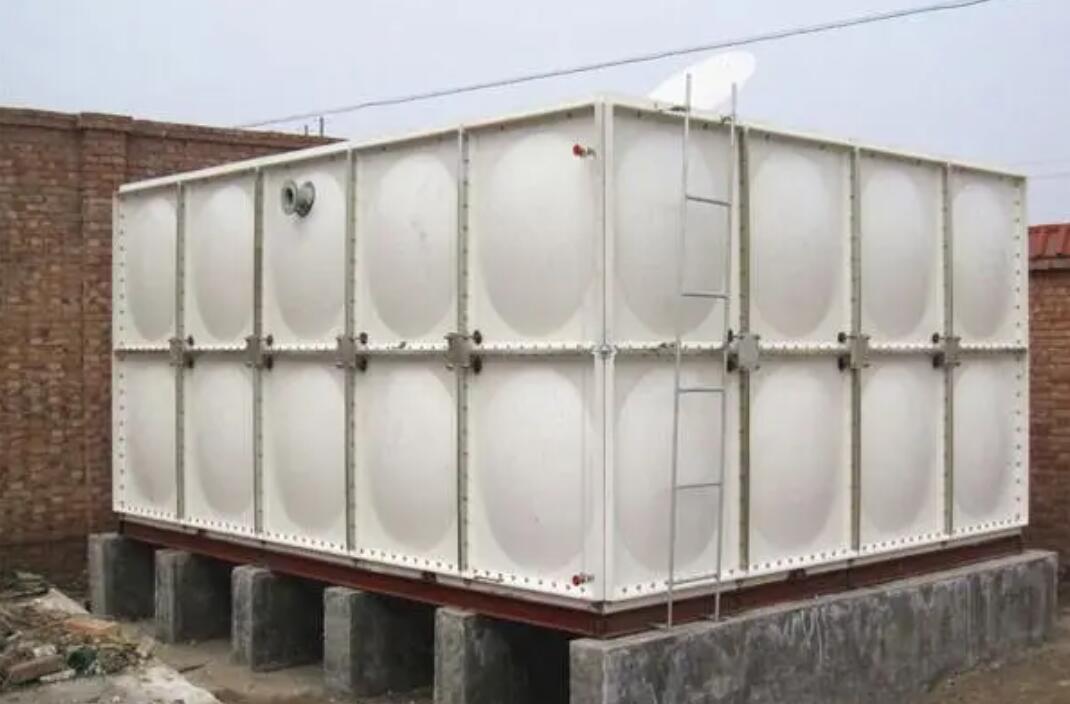
With the deepening promotion of green building concepts, rainwater collection and utilization systems have become standard configurations in many large building projects. Rational use of rainwater resources not only saves precious fresh water but also reduces urban drainage system pressure and lowers building operating costs. This article introduces design key points for green building rainwater collection systems and water tank configuration plans.
How Rainwater Collection Systems Work
Rainwater collection systems typically consist of: rainwater collection system (rooftop, plaza, etc.) → first-flush diversion device (removing initial polluted rainwater) → rainwater storage tank (storing filtered rainwater) → rainwater treatment equipment (filtration, disinfection) → water end-use points (landscaping irrigation, road washing, toilet flushing).
Main Uses of Collected Rainwater
In green buildings, rainwater is mainly used for non-drinking water purposes: landscape water body replenishment; landscaping irrigation (covering 30-50% of total water consumption); road and plaza washing; underground garage washing; cooling tower replenishment; toilet flushing (can account for 25-35% of total building water consumption).
Rainwater Storage Tank Selection
Rainwater storage tank selection differs from domestic water tanks, requiring consideration of these special factors:
Anti-algae performance: Rainwater contains organic matter; prolonged storage easily produces algae. Rainwater storage tanks should be light-blocking or algae-inhibiting; recommend opaque SMC FRP tanks or stainless steel tanks with algae-inhibiting interior coating.
Volume determination: Rainwater collection tank volume is generally calculated by collectible area × local annual average rainfall × 0.7 (runoff coefficient), typically taking 3-7 days' collectible amount as design volume.
Inlet design: Fine mesh screen (≤2mm mesh) for filtering leaves and debris; initial flush diversion device to drain the first 5 minutes of polluted rainwater.
Typical Engineering Case
A large commercial complex in Beijing (150,000 m² floor area) with approximately 20,000 m² of collectible rooftop area, designed rainwater collection tank capacity of 1,500 m³ (using underground buried SMC FRP tanks). Collects about 8,000 m³ of rainwater annually, mainly for landscape replenishment and landscaping irrigation, saving about 200,000 yuan in water fees annually, earning Beijing Green Building Three-Star certification.
Policy Support and Development Prospects
National and local governments have clear incentive policies for rainwater collection and utilization, with Beijing, Shanghai, Guangzhou and other cities having mandatory requirements for rainwater utilization systems in new large projects. With continuously improving green building standards, demand for rainwater collection tanks will continue to grow.
Beijing Yuanhui FRP can provide customized rainwater collection tank solutions for green building projects, including anti-algae treatment, supporting filtration equipment, and level control systems. Welcome to contact us.