Installation Standards for Water Tank Inlet, Outlet, and Overflow Pipes and Common Errors
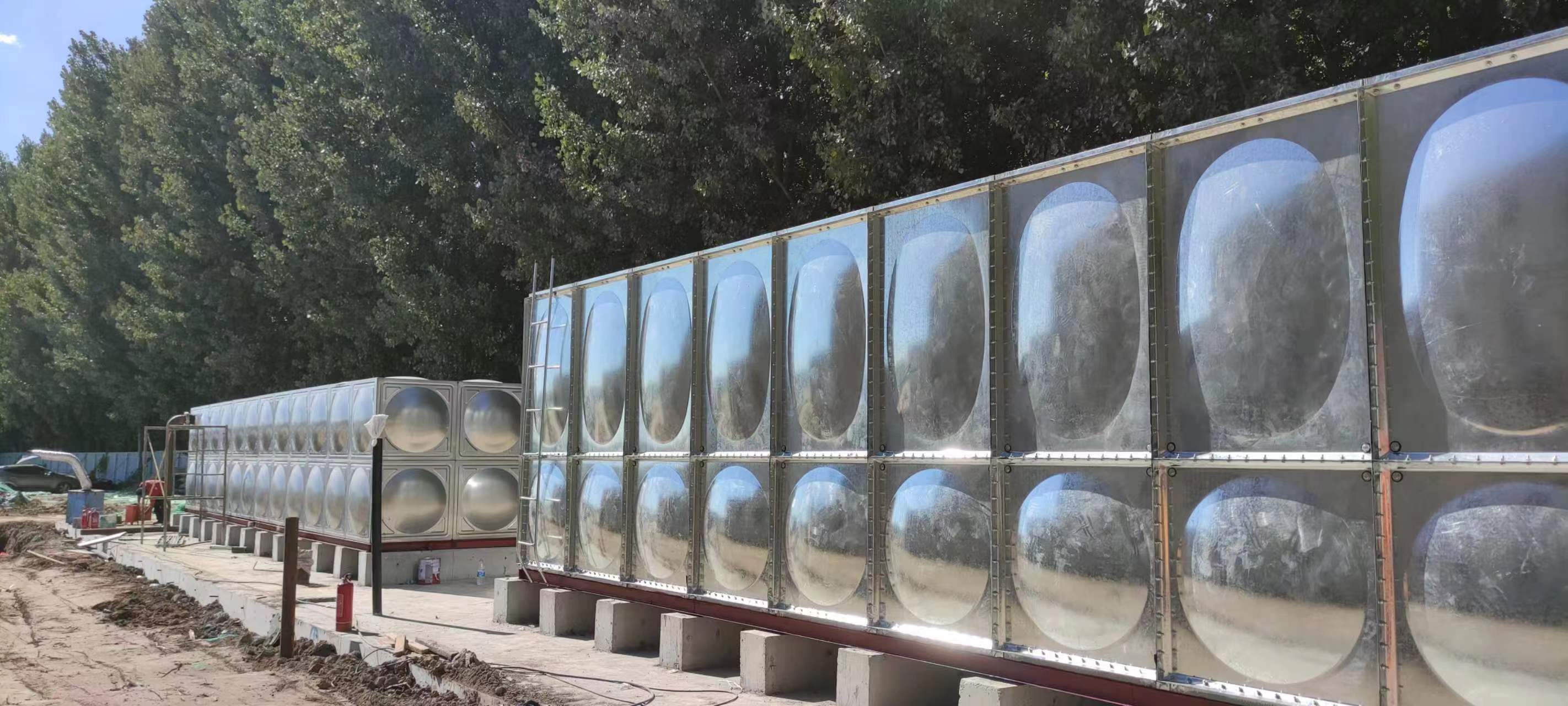
The water tank piping system is an important component of the entire water supply system; pipe installation quality directly affects system operating performance and water quality safety. In actual projects, pipe installation errors occur due to insufficient understanding of standards or construction negligence. This article introduces installation standards for various water tank pipes and common errors.
Inlet Pipe Installation Standards
Inlet pipes supply water to tanks; installation should note: pipe diameter determined by replenishment flow rate, generally 1-2 sizes smaller than outlet pipe; end of inlet pipe must have liquid level control valve (float valve or solenoid valve); inlet pipe end should be at least 100mm above tank bottom to prevent water flow disturbing deposits; check valve must be installed on inlet pipe to prevent backflow from tank to municipal network.
Outlet Pipe Installation Standards
Key requirements for outlet pipe installation: outlet pipe should exit from the lowest point of tank bottom to maximize effective volume; maintenance shutoff valve must be installed on outlet pipe; fire water tank outlet pipe diameter not less than DN100; domestic water outlet pipes must be strictly separated from fire water pipes, not shared.
Overflow Pipe Installation Standards
Overflow pipes prevent tank overflow when water level exceeds design level: overflow pipe set at the same level as maximum water level; overflow pipe diameter not less than inlet pipe diameter, typically one size larger; overflow pipe end must not directly connect to drainage pipe, should discharge indirectly (with air gap) to prevent sewage backflow; overflow pipe end should have insect screen.
Ventilation Pipe Installation Standards
Ventilation pipes are often overlooked but extremely important: each tank must have ventilation pipes (generally DN50 or larger) to prevent air locks or negative pressure deformation during filling/draining; ventilation pipe ends should have insect and dust screens; ventilation pipes should lead to well-ventilated areas, not connected to exhaust pipes.
Common Errors and Consequences
Error 1: Inlet and outlet pipes on the same end, causing "short-circuit" dead water zones in the tank, deteriorating water quality.
Error 2: No ventilation pipe or too thin, causing negative pressure in tank during discharge, potentially deforming tank body.
Error 3: Overflow pipe directly connected to drainage pipe, creating risk of sewage backflow contaminating tank.
Error 4: Fire outlet pipe and domestic supply pipe shared, not complying with standards and creating safety hazards.
Yuanhui's installation service team strictly follows relevant standards to avoid these common errors and ensure correct pipe system installation.