How to Calculate Water Tank Volume? Methods for Determining Design Capacity for Different Uses
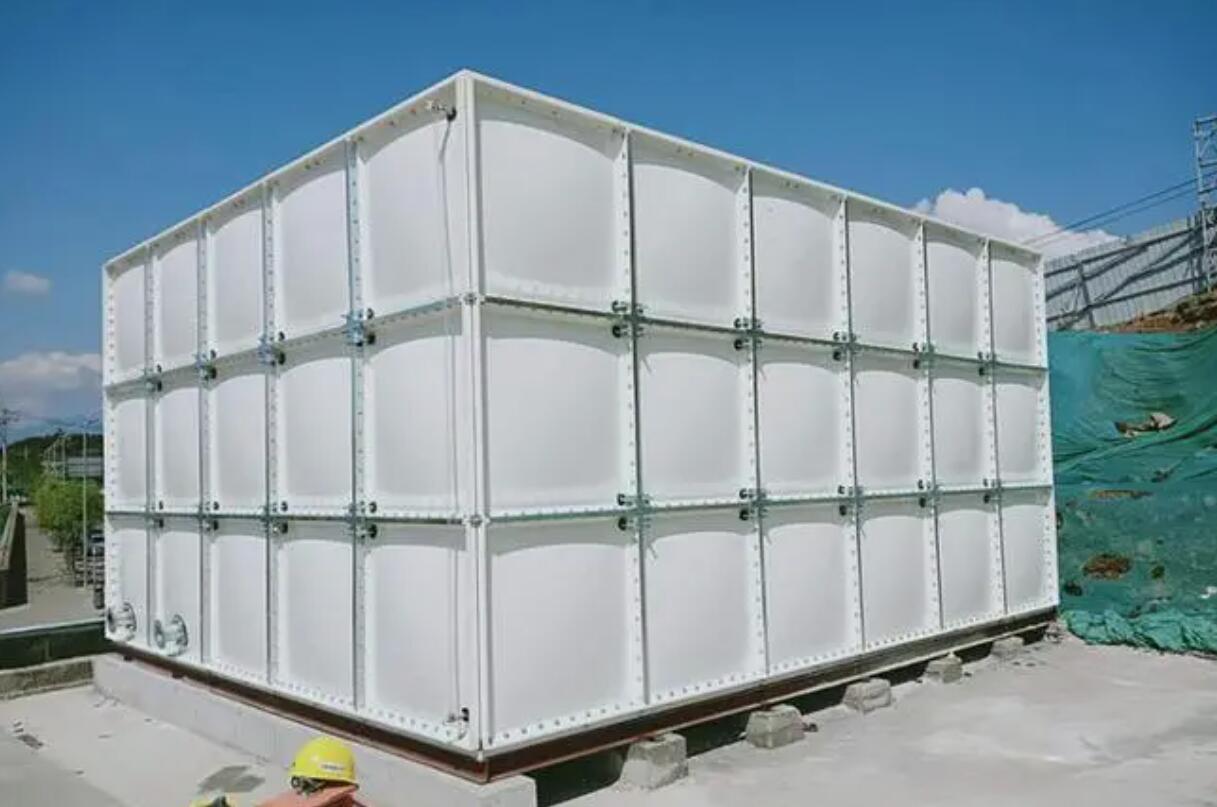
Correctly calculating water tank effective volume is one of the fundamental tasks in water supply and drainage design. Volume too small leads to unstable water supply, while too large causes waste and water quality risks. This article introduces volume calculation methods and design parameter selection principles for water tanks of various uses.
Domestic Water Tank Volume Calculation
Domestic water tank volume is mainly determined by: Daily water consumption calculation: residential buildings calculated by number of people × water use quota (residential: 150-250L per person per day); commercial buildings calculated by floor area × water use index; industrial enterprises calculated by process water consumption plus domestic water consumption.
Regulating volume: Water tank regulating volume is generally 20%-25% of maximum daily water consumption (municipal direct supply) or 50%-60% (self-provided pump supply). Example: A 500-person residential building with 200L/day per capita, daily consumption = 500×200 = 100m³. With municipal direct supply, regulating volume = 100×20% = 20m³.
Fire Water Tank Volume Determination
According to GB 50974 Technical Code for Fire Protection Water Supply:
- Class 1 high-rise residential (≥50m): ≥18m³
- Class 2 high-rise residential (24-50m): ≥12m³
- High-rise public buildings: ≥100m³
- Multi-story buildings: ≥6m³
Industrial Water Tank Volume Determination
Industrial water tank volume is determined by production process needs, generally considering: water storage during production shutdown for maintenance (typically 1-3 days consumption); backup water volume for unstable supply; backup volume for fire and accident water use.
Volume Requirements for Special Locations
Hospital domestic water tanks: not less than 12 hours consumption and not less than 100m³; Schools: calculated by number of teachers and students, generally 100-500m³; Swimming pools: replenishment water approximately 1%-3% of pool volume daily, plus water treatment equipment needs.
Determining Water Tank Dimensions
After calculating volume, dimensions should be determined based on installation space. For modular water tanks (SMC FRP, enamel steel panel, etc.), size combinations are very flexible; length:width:height between 2:1:1 to 4:2:1 is generally reasonable, with height not exceeding 3m preferred for installation and maintenance.
For professional water tank volume calculation services, please contact the technical department of Beijing Yuanhui FRP. We will provide scientifically reasonable design plans based on your actual situation.