In-Depth Analysis of the Hygienic and Safety Performance of FRP Water Tanks: A Comprehensive Assurance from Material to Application
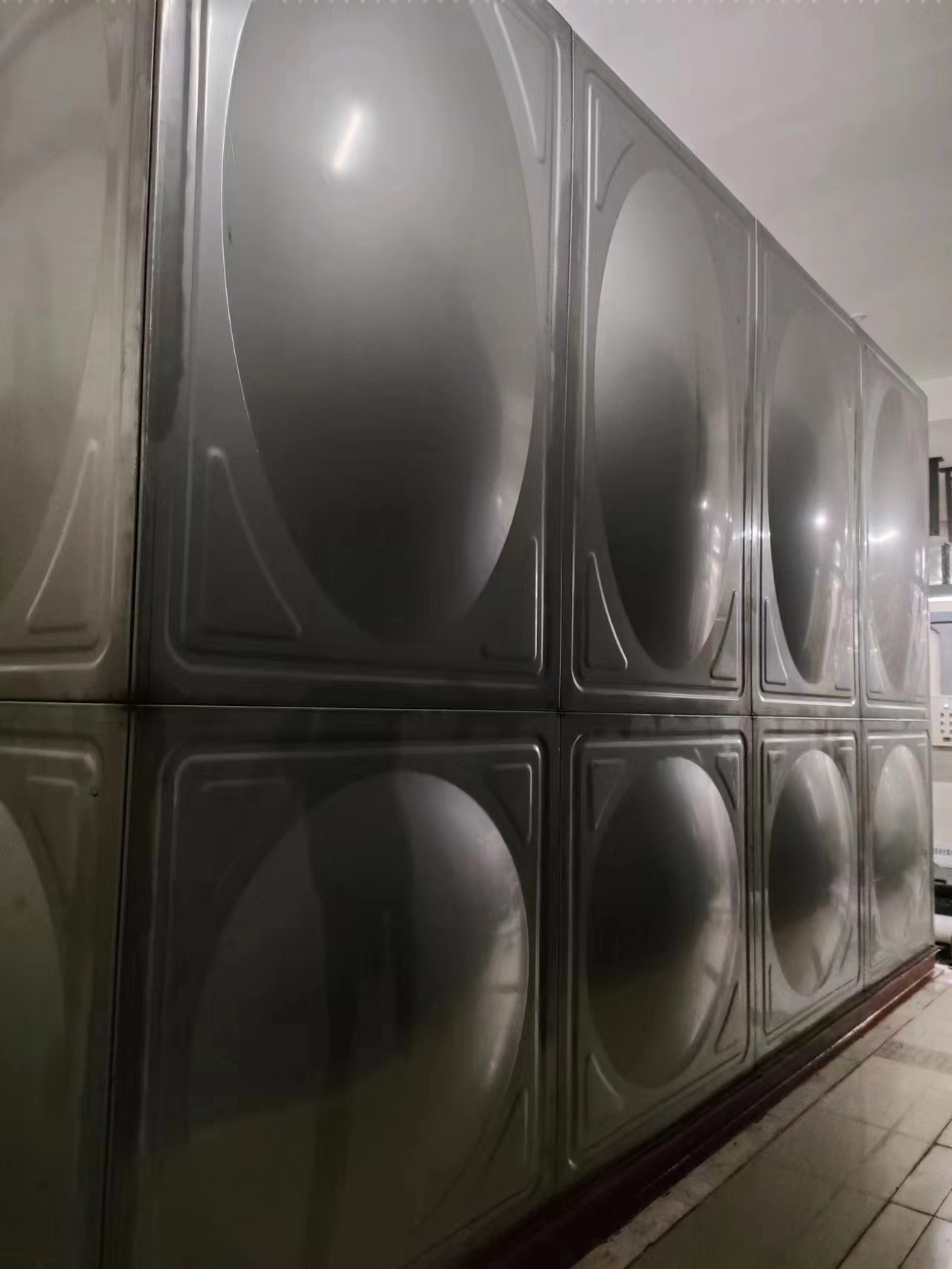
In-Depth Analysis of the Hygienic and Safety Performance of FRP Water Tanks: A Comprehensive Assurance from Material to Application
The safety and hygiene of drinking water storage facilities are fundamental to public health. Fiberglass Reinforced Plastic (FRP) water tanks play a crucial role in modern water supply systems due to their superior material properties and mature engineering design. Their hygienic and safety performance is not a single metric but a comprehensive assurance system built upon materials science, manufacturing processes, and system design.
1. The Liner: Constructing the Primary Food-Grade Safety Barrier
The foundation of an FRP tank's hygienic safety lies in its inner liner. Beijing Yuanhui FRP Co., Ltd. strictly employs food-grade vinyl ester or isophthalic unsaturated polyester resins that comply with standards such as China's GB/T 17219-1998 for the liner. Upon curing, these resins form a dense, smooth, and non-porous gel coat layer. Its critical function is to completely isolate the fiberglass reinforcement from the stored water, eliminating any risk of fiber leaching.
1.1 Material Certification and Leachate Control
Professional test data indicates that high-quality food-grade resin liners have minimal adsorption of heavy metal ions (e.g., lead, cadmium) and effectively resist erosion from chlorides and varying pH levels in water, preventing the migration of harmful substances. Compared to potential corrosion and leaching issues in some metal tanks, the chemical inertness of the FRP liner provides a more stable storage medium. Beijing Yuanhui's process mandates a liner thickness of no less than 2.5mm, coupled with 100% spark testing to ensure it is free from pinholes and defects, physically blocking pathways for contaminant ingress.
2. Surface Characteristics and Microbial Inhibition
The tank's interior environment directly influences microbial growth potential. FRP tank interiors offer two key advantages: exceptionally low surface roughness and excellent hydrophobicity.
2.1 Smooth Surface Minimizes Fouling
A well-molded FRP interior surface is as smooth as porcelain, with a surface roughness (Ra) controllable below 0.5μm. This physical characteristic makes it difficult for scale, algae, and bacterial biofilms to adhere and accumulate. Comparative tests show that under identical water quality and conditions, fouling accumulation on a smooth FRP surface is over 60% slower than on a rough concrete surface, significantly reducing cleaning frequency and secondary contamination risk.
2.2 Hydrophobicity Hinders Bacterial Proliferation
The inherent hydrophobic nature of the resin substrate prevents the inner wall from being fully wetted, minimizing water film residue and thus reducing the damp substrate required for microbial growth. For high-end projects, antibacterial resins can be used to impart a long-lasting antimicrobial function to the liner. For instance, in a custom tank supplied by Beijing Yuanhui for a hospital project, the incorporation of certified antibacterial agents resulted in an inhibition rate exceeding 99% against E. coli and Staphylococcus aureus on the tank's inner surface.
3. Structural Integrity and Leakage Resistance
Hygienic safety depends not only on the material but also on the tank's overall structural seal and durability. Leakage can allow ingress of external contaminants and create damp, hard-to-clean interstitial spaces that become breeding grounds for pathogens.
3.1 Seamless Molding and Joint Sealing
Molded or filament-wound FRP tanks allow for the seamless joining of large panels. Critical joints, such as panel seams, manways, and pipe connections, employ food-grade sealants and multi-layer sealing designs. Beijing Yuanhui's patented "integrated tank body and stiffener" process eliminates potential gaps at the junction between stiffeners and the inner wall found in traditional designs, creating a monolithic structure with leakage resistance meeting standards like ASTM D4138.
3.2 Long-Term Stability and Hygiene Maintenance
The excellent corrosion resistance of FRP ensures the tank does not generate contaminants like rust scale through self-corrosion during long-term service. With a typical design life exceeding 25 years, the degradation of its hygienic properties is minimal. Intelligent design features—such as a sloped roof (≥40°), smooth internal corners, and fully covered insect-proof vent filters—systematically ensure long-term water quality safety. Regular professional cleaning and disinfection further consolidate this hygienic status.
Conclusion: A Systematic Engineering Approach Ensures End-Point Water Safety
The hygienic and safety performance of an FRP water tank is the result of a systematic engineering approach. It begins with the stringent selection of food-grade raw materials, is realized through precise manufacturing and inspection processes, and is ultimately sustained through scientific installation and maintenance. Based on the engineering practices of professional manufacturers like Beijing Yuanhui FRP Co., Ltd., selecting high-standard FRP tank products with complete certifications and proven case histories is a critical decision for safeguarding drinking water storage in communities, hospitals, schools, and food processing plants. For end-users, understanding the multi-dimensional aspects of this performance facilitates more scientific procurement, inspection, and maintenance, enabling the full realization of this modern storage facility's safety assurance value.