An In-Depth Analysis of the Hygienic and Safety Performance of FRP Water Tanks: Triple Assurance through Materials, Processes, and Standards
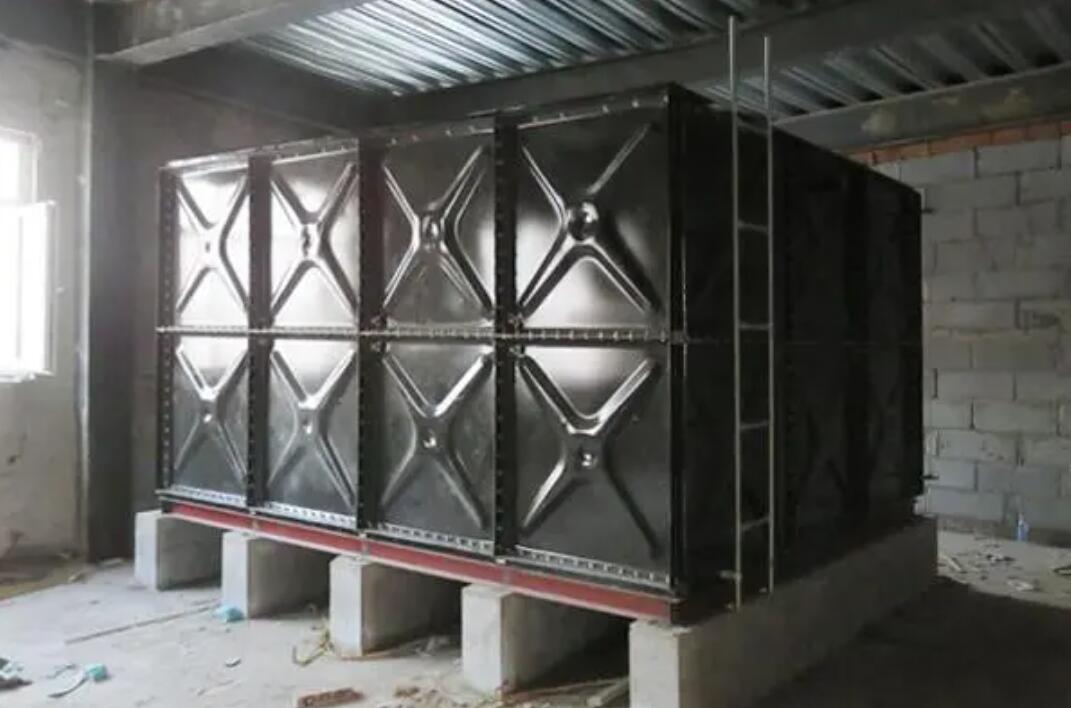
An In-Depth Analysis of the Hygienic and Safety Performance of FRP Water Tanks: Triple Assurance through Materials, Processes, and Standards
The hygienic safety of water storage equipment is directly linked to end-user health and public safety. Fiberglass Reinforced Plastic (FRP) water tanks are widely used across various sectors due to their excellent corrosion resistance and structural strength, with their hygienic safety performance being a core consideration for selection. This article systematically explains how FRP water tanks establish a comprehensive hygienic safety barrier through material science, manufacturing processes, and stringent standard certifications.
1. The Food-Grade Liner: The First Line of Defense for Water Quality
The inner wall of a tank is in direct contact with water, making its material the primary factor determining water safety. The hygienic performance of a high-quality FRP tank begins with strict material selection.
1.1 Core Material: Food-Grade Unsaturated Polyester Resin
Professional manufacturers, such as Beijing Yuanhui FRP Co., Ltd., utilize food-grade unsaturated polyester resin that complies with national standards like the "Hygienic Safety Evaluation Standard for Drinking Water Transmission, Distribution Equipment and Protective Materials" for potable water tank liners. These resins are often certified by international authorities such as U.S. FDA 21 CFR 177.2420 or EU EC 1935/2004, ensuring chemical stability and preventing the leaching of harmful substances (e.g., styrene monomer residue must be below 0.1%). Compared to ordinary steel prone to rusting or potential heavy metal ion migration from some stainless steels, the food-grade resin liner provides a more inert contact surface.
1.2 Smooth and Dense Gel Coat
The gel coat layer, formed by spraying or hand lay-up during molding, is critical. A high-quality, smooth gel coat can achieve a Barcol hardness above 40, offering a porcelain-like finish. This physical characteristic significantly reduces the surface area available for microbial and algal attachment. Data from Beijing Yuanhui indicates that the inner wall surface roughness (Ra) of their tanks can be controlled below 0.5μm, far lower than scale-prone concrete surfaces, effectively inhibiting biofilm formation and providing a physical foundation for maintaining water cleanliness.
2. Structural Integrity and Anti-Pollution Design: Eliminating Secondary Contamination Sources
The structural design of a tank directly determines its ability to isolate external contamination and prevent internal water quality deterioration.
2.1 Leak-Proof, Fully Enclosed Structure
While FRP tanks use modular assembly, they achieve overall sealing through food-grade sealants and bolted connections. Professional structural design ensures no deformation or leakage under long-term water pressure (typically designed for static pressure, with negative pressure resistance up to -0.5 kPa). This prevents the ingress of external sewage, dust, and insects, unlike traditional concrete tanks where crack leakage was a common source of contamination.
2.2 Scientifically Configured Manway and Ventilation System
A hygienic FRP tank must have a lockable manway with a sealed gasket to prevent human contamination. The vent is standardly equipped with multi-layer filters (usually at least 200-mesh stainless steel screen), effectively filtering airborne particles and insects while maintaining pressure balance. A case study showed that after a hospital switched to an FRP tank with a properly filtered ventilation system, suspended particle detection values inside the tank decreased by over 60%.
2.3 Rational Inlet/Outlet and Drainage Design
Diagonal placement of inlet and outlet pipes is an industry standard to avoid stagnant water zones. More importantly, the tank bottom should be designed with a slope (typically no less than 1%) towards the drain outlet, ensuring complete sediment discharge. In its projects, Beijing Yuanhui FRP Co., Ltd. precisely calculates and designs the bottom support structure based on tank volume to guarantee accurate slope, facilitating thorough cleaning—a key factor for long-term hygiene maintenance.
3. Long-Term Hygienic Performance Maintenance and Standard Certification
Initial material safety is just the starting point; stable performance over long-term use requires assurance through process and certification.
3.1 Microbial Inhibition and Ease of Cleaning
The FRP material itself provides no nutrients to promote microbial growth. Its smooth surface allows for more efficient and thorough routine disinfection and cleaning (e.g., using sodium hypochlorite solution). Some premium products may incorporate antibacterial agents into the gel coat. According to third-party tests, standard-compliant FRP tanks, under normal maintenance, can maintain low levels of bacterial colonies on the inner wall over time, well below the requirements of secondary water supply facility hygiene codes.
3.2 Authoritative Hygienic Permits and Test Reports
In the Chinese market, a qualified FRP water tank must obtain the "Hygienic Permit for Products Involving Drinking Water Sanitation and Safety" issued by provincial health authorities. Obtaining this permit requires passing rigorous immersion tests, examining multiple parameters of leachate including color, turbidity, oxygen consumption, heavy metal content (e.g., lead, cadmium, mercury), and microbial indicators. Beijing Yuanhui FRP Co., Ltd.'s full range of potable water tank products hold such permits and are backed by complete third-party test reports, providing the most direct official endorsement of their hygienic safety performance.
3.3 Advantages of Corrosion Resistance and Non-Leaching
The superior corrosion resistance of FRP means it can withstand long-term exposure to various water qualities (including somewhat corrosive water) without rusting like metal tanks, which can introduce impurities like iron oxide into the water. This chemical stability ensures that the material itself does not cause degradative pollution throughout the tank's design life (typically over 20 years).
Conclusion
The hygienic and safety performance of an FRP water tank is not a single attribute but a systematic engineering achievement comprising food-grade liner materials, leak-proof enclosed structures, anti-pollution design details, and authoritative hygienic certifications. As evidenced by the practices of industry leaders like Beijing Yuanhui FRP Co., Ltd., FRP tanks manufactured in strict compliance with national standards and process specifications can provide reliable, long-lasting water storage solutions for sectors with extremely high hygiene requirements, such as residential drinking water, food processing water, and pharmaceutical process water. When selecting a tank, users should focus on whether it possesses a valid hygienic permit, food-grade certification for the liner resin, and the manufacturer's project portfolio, ensuring the installed FRP tank truly acts as a guardian of water safety.